Deutsche Telekom showed the current status of the technology developed to open TETRA networks to all mission-critical services organisations, providing connectivity regardless of the technology they use. The operator demonstrated the expansion to its T Mission portfolio by using a smartphone to communicate in a 5G network using a TETRA radio.
The operator explained that the test used Motorola's latest mission-critical technology and proved that this could interact with TETRA set-ups. This means German public safety organisations can continue using existing radio infrastructure in mission-critical services, with the combined network approach boosting coverage and resilience. An enhanced T Mission video function was also demonstrated. It enables control centres to transmit up to ten different streams to defined groups, and DT pointed to drone, security, and body camera footage as examples.
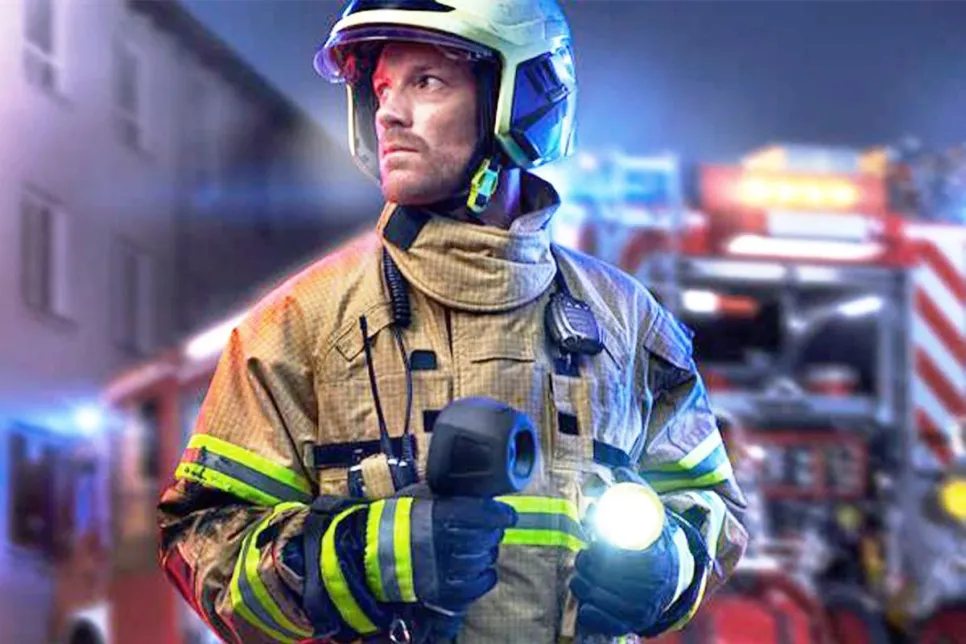
The operator also showcased a GUI for sensor data developed in conjunction with electronics manufacturer and distributor ATS Elektronik, which enables real-time monitoring of data, including pulse rate and body temperature. Deutsche Telekom stated this is being used by firefighters, though it emphasised its potential for other emergency services personnel.
We spoke with Adrian Ježina, President of the Management Board and CEO of Telemach Croatia, about strategic decisions, investments, and how he sees the telecom industry evolving in the years ahead.
Croatia’s fixed broadband market in 2025 was marked by intense competition among operators, visible technological progress, and a gradual shift toward very high-capacity networks, primarily FTTH infrastructure. This is clearly confirmed by the “Barometer of Fixed Internet Connections in Croatia,” published by nPerf in January 2026, covering measurement results from 1 January to 31 December 2025.