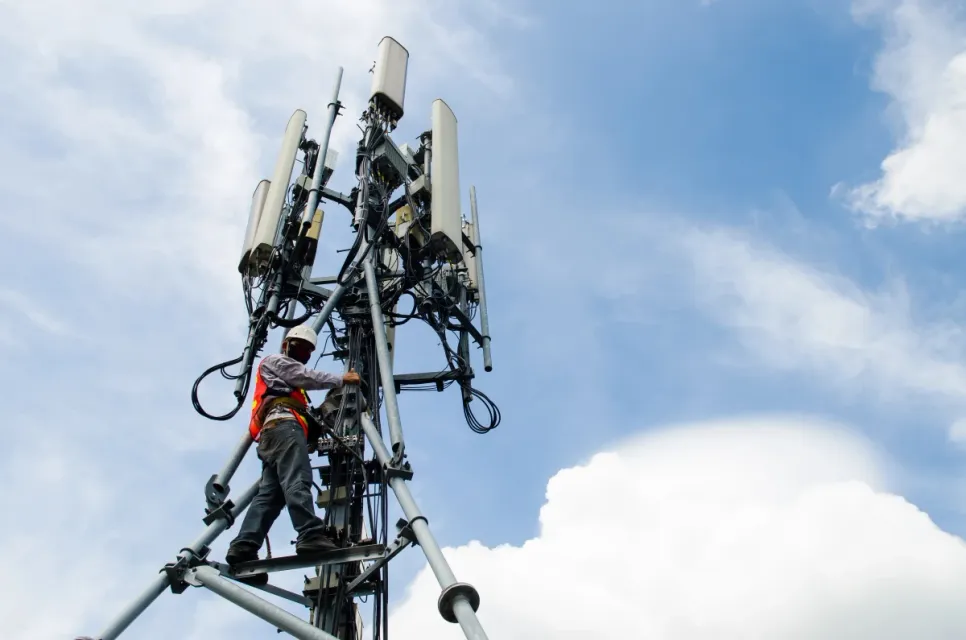
Nokia signed a 5G deal with Telecom Italia. The new contract is centered on the supply of network equipment in areas intended to reduce the digital divide and aid the digital transformation of enterprises.
The vendor stated that the three-year deal constituted a significant market gain share and positioned it strongly in the country. It won the contract through a tender process. Nokia explained that under the new deal, it would expand and modernize 5G capacity and coverage to the operator’s customers in new regions alongside those already served by its network equipment. Among the focus areas is improving coverage in Italy’s small towns and rural areas. Nokia said it would install various products from its energy-efficient, AI-ready AirScale Radio Access Network portfolio.
Telecom Italia CEO Pietro Labriola said that this partnership strengthens the operator’s leadership in building the next generation of 5G networks, enabling faster, smarter, and more sustainable connectivity across Italy. “By combining innovation and efficiency, we are creating the digital infrastructure that will bridge the divide, accelerate industrial transformation, and support the country’s sustainable growth”. Nokia president and CEO Justin Hotard added: “We’re helping TIM extend coverage and build a foundation for new AI-driven services. Together, we’re connecting intelligence and strengthening Italy’s competitiveness”.
We spoke with Adrian Ježina, President of the Management Board and CEO of Telemach Croatia, about strategic decisions, investments, and how he sees the telecom industry evolving in the years ahead.
Croatia’s fixed broadband market in 2025 was marked by intense competition among operators, visible technological progress, and a gradual shift toward very high-capacity networks, primarily FTTH infrastructure. This is clearly confirmed by the “Barometer of Fixed Internet Connections in Croatia,” published by nPerf in January 2026, covering measurement results from 1 January to 31 December 2025.